
Understanding Luck in Gambling
Luck is often considered a fundamental component of gambling, influencing outcomes in various games of chance. Many players believe that luck can determine their success, leading to the enduring debate of whether it is merely a coincidence or a powerful force at play. Luck can manifest in many forms, from drawing winning cards to landing the right combination on a slot machine. This reliance on luck is a significant reason many individuals are drawn to gambling, especially when exploring online casino australia options, as it introduces an element of unpredictability into their experiences.
However, defining luck is complex. In gambling, it typically refers to the chance occurrence of events that result in favorable outcomes. Players often recount stories of fortunate winnings, lending a mythical quality to the idea of luck. In this context, luck may stem from both belief and psychological factors, as a positive mindset can enhance the perception of winning streaks. The interplay between luck and strategy can be intriguing, especially as gamblers try to determine how much of their success is due to random chance versus their decisions.
Interestingly, research shows that while many players attribute their successes to luck, certain games require skill and strategy. Skill-based games such as poker allow players to leverage their abilities and knowledge, influencing outcomes through strategic decisions. This raises an important question: can skill mitigate the effects of luck? While luck may play a significant role in immediate results, understanding the balance between luck and skill is essential for long-term success in gambling environments.
The Role of Probability and Statistics
When discussing luck in gambling, it’s crucial to understand how probability and statistics underpin the games we play. Every game in a casino, whether it’s a card game or a slot machine, is built on mathematical principles that dictate the odds of winning. These probabilities define the house edge, which ensures that the casino remains profitable over time, regardless of individual player luck. Understanding these odds can demystify the role of luck, revealing that outcomes are often more predictable than they appear.
For instance, in games like roulette, the odds of winning on a single number are clearly defined, but the outcome remains random. This means that while players may experience short-term success due to lucky spins, the overall results will align closely with statistical expectations. Thus, while luck can influence immediate experiences, it rarely has a lasting impact on the broader landscape of outcomes in gambling. This knowledge empowers players to approach gambling with a more analytical mindset.
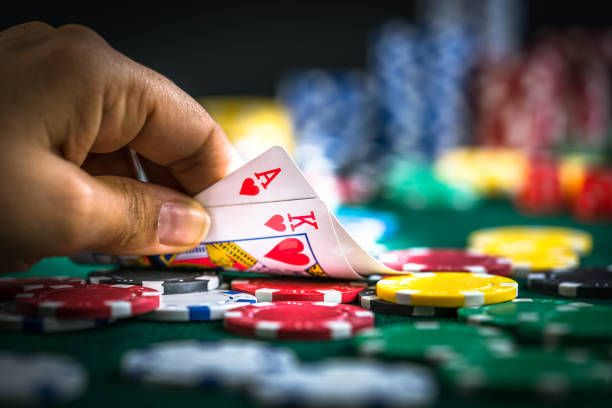
Furthermore, players can use their understanding of probabilities to make more informed decisions. By recognizing which bets offer better odds and understanding the concept of expected value, gamblers can strategically position themselves for success. This analytical approach highlights that relying solely on luck can be detrimental in the long run, as it often overlooks the critical role of informed decision-making based on statistical realities. Ultimately, the more players understand the mathematics behind gambling, the better equipped they are to navigate their gaming experiences.
Psychological Factors and the Illusion of Control
The interplay between luck and psychology is a fascinating area of study in gambling. Gamblers often develop cognitive biases that influence their perception of luck, leading them to believe they can control outcomes through rituals or superstitions. This phenomenon, known as the “illusion of control,” can manifest in various ways, such as using lucky charms or following specific routines before placing bets. While these behaviors may enhance the gambler’s confidence, they do not alter the fundamental randomness of the games.
Additionally, players sometimes misinterpret patterns or results, leading to misconceptions about their luck. This is evident in the gambler’s fallacy, where an individual believes that past outcomes influence future events. For instance, if a player notices a particular number hasn’t been drawn in several spins of a roulette wheel, they may feel it is “due” to appear, despite each spin being independent of previous results. Recognizing these psychological traps is crucial for maintaining a rational approach to gambling and understanding the transient nature of luck.
Moreover, a gambler’s emotional state can significantly affect their perception of luck. Factors such as stress, excitement, and frustration can distort how players interpret their results, leading to increased reliance on the notion of luck. This emotional rollercoaster can result in impulsive decisions or chasing losses, further complicating the relationship between luck and success in gambling. Understanding these psychological elements is essential for gamblers who wish to navigate their experiences with greater awareness and control, ultimately leading to better decision-making.
The Impact of Experience and Skill Development
While luck undeniably plays a role in gambling, the influence of experience and skill cannot be overlooked. Seasoned players often exhibit a deeper understanding of game mechanics, odds, and strategies, allowing them to make more calculated decisions. This accumulated knowledge can mitigate the reliance on luck, as skilled players are better equipped to navigate the complexities of games and create advantageous situations. For instance, a proficient poker player can read their opponents and make strategic bets based on psychological cues, enhancing their chances of winning.

Moreover, practice and familiarity with various games can lead to improved outcomes. The more time a player invests in honing their skills, the more likely they are to see success over time. This emphasizes that while luck may impact individual outcomes, skill development can enhance a player’s overall effectiveness in gambling scenarios. Therefore, aspiring gamblers should focus on learning the intricacies of their chosen games, investing time in strategy and analysis to bolster their chances of success.
Ultimately, the balance between luck and skill is pivotal in gambling. While luck may determine short-term triumphs, sustained success often hinges on a player’s ability to develop strategies, understand probabilities, and exercise discipline. Recognizing this dynamic interplay can empower gamblers to adopt a more holistic approach, blending lucky moments with skillful execution to achieve their gambling goals. This understanding can help players shift their focus from mere chance to the mastery of their craft.
Your Resource for Gambling Insights
For those looking to understand the complexities of luck and skill in gambling, our website provides valuable insights and resources. We offer in-depth articles, expert analyses, and player testimonials that explore the delicate balance between chance and strategy. Whether you are a novice seeking guidance or an experienced player wishing to refine your skills, our content is tailored to meet your needs and enhance your understanding of gambling.
Our platform allows users to engage with a community of like-minded individuals, sharing experiences and learning from one another. By fostering a collaborative environment, we aim to enhance your understanding of gambling dynamics and encourage informed decision-making. Furthermore, our resources are continually updated to reflect the latest trends and research findings in the gambling world, ensuring you stay ahead of the curve and make the most of your gaming experiences.
By prioritizing education and strategy, our website serves as your go-to source for navigating the fascinating world of gambling. We believe that knowledge is power, and by arming yourself with the right information, you can enhance your chances of success, regardless of the role luck may play in your gaming experience. Join us today and start your journey toward becoming a more strategic and informed gambler, where insights and learning fuel your path to success.